Tacoma & Pierce County, Washington For 253 homeowners who need to sell soon, or sell as it stands Austin Hellickson, Managing Broker

The as-is deskOlder houses, from Proctor to South Tacoma

Sell Now 253

206.940.0942LPT Realty, Sumner office

Tacoma neighborhoods, and the houses in them

Seven Tacoma neighborhoods and University Place next door: what was built in each, and what that means when it’s time to sell.

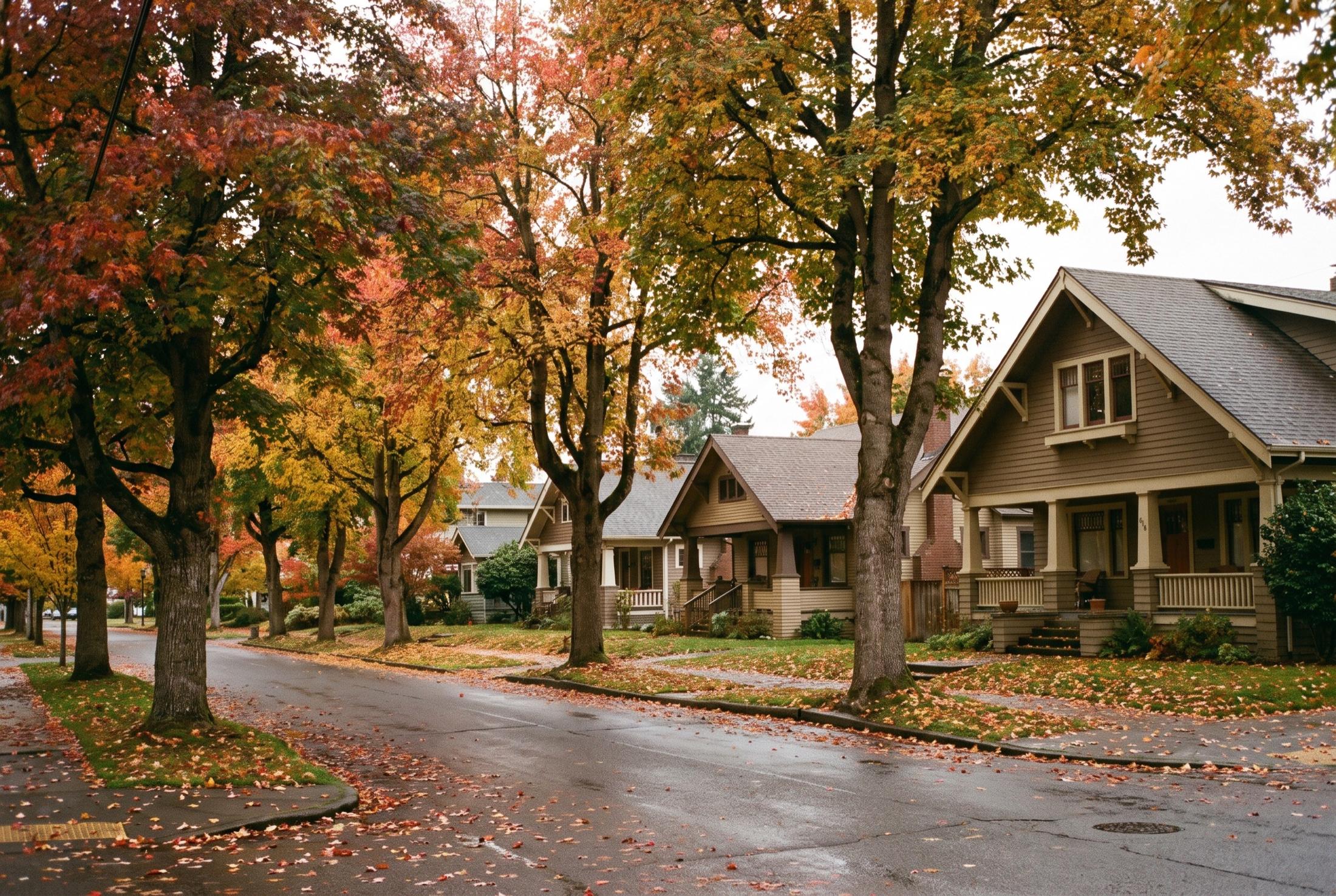
Wet residential street lined with maples in fall color and Craftsman bungalows with deep front porches, leaves scattered on the pavement
Craftsman bungalows under the maples

How does the neighborhood change the way a Tacoma house sells?

It decides who the likely buyers are and what they’ll ask about. The age of a neighborhood predicts the age of its houses, and the age of a house predicts the questions on the inspection report.

Some parts of Tacoma were built out before the First World War. Others filled in after the Second. Point Ruston is newer still, built on the site of a copper smelter. A Stadium District Victorian and a South Tacoma rambler sit a short drive apart and sell to very different buyers.

You won’t find price tables below. An average says little about one house on one street. The kind of housing a neighborhood holds says more, because it shapes who shows up to buy and whether a cash sale or a listing is likely to net you more.

Proctor District

North 26th and Proctor Street
Tacoma Public Schools

Proctor is a small business district centered on North 26th Street and Proctor, with the Blue Mouse Theatre, a Saturday farmers market, and a few walkable blocks of shops and restaurants.

The houses around it are mostly Craftsman bungalows and foursquares from the early 1900s, many on modest lots with alleys behind them. Buyers here care about original details like fir floors and built-ins. They also know what often comes with them, and expect answers about oil tanks and side sewers in almost every house.
Stadium District

Tacoma Avenue North
Wright Park · Stadium High School

The district shares its name with Stadium High School, the chateau-style building on the bluff that was begun as a hotel in the 1890s and finished as a school. Some of the city’s oldest and largest houses are here, many of them Victorians looking out over Commencement Bay, mixed in with early apartment buildings and newer condominiums. Wright Park and its conservatory sit at the south edge, and downtown is a short walk.

Many big houses here were divided into apartments at some point, and some have since been put back together. The permit history on a house like that is worth reading before you list. Expect a buyer’s inspector to trace how the plumbing and wiring were split for the apartments and joined back up.

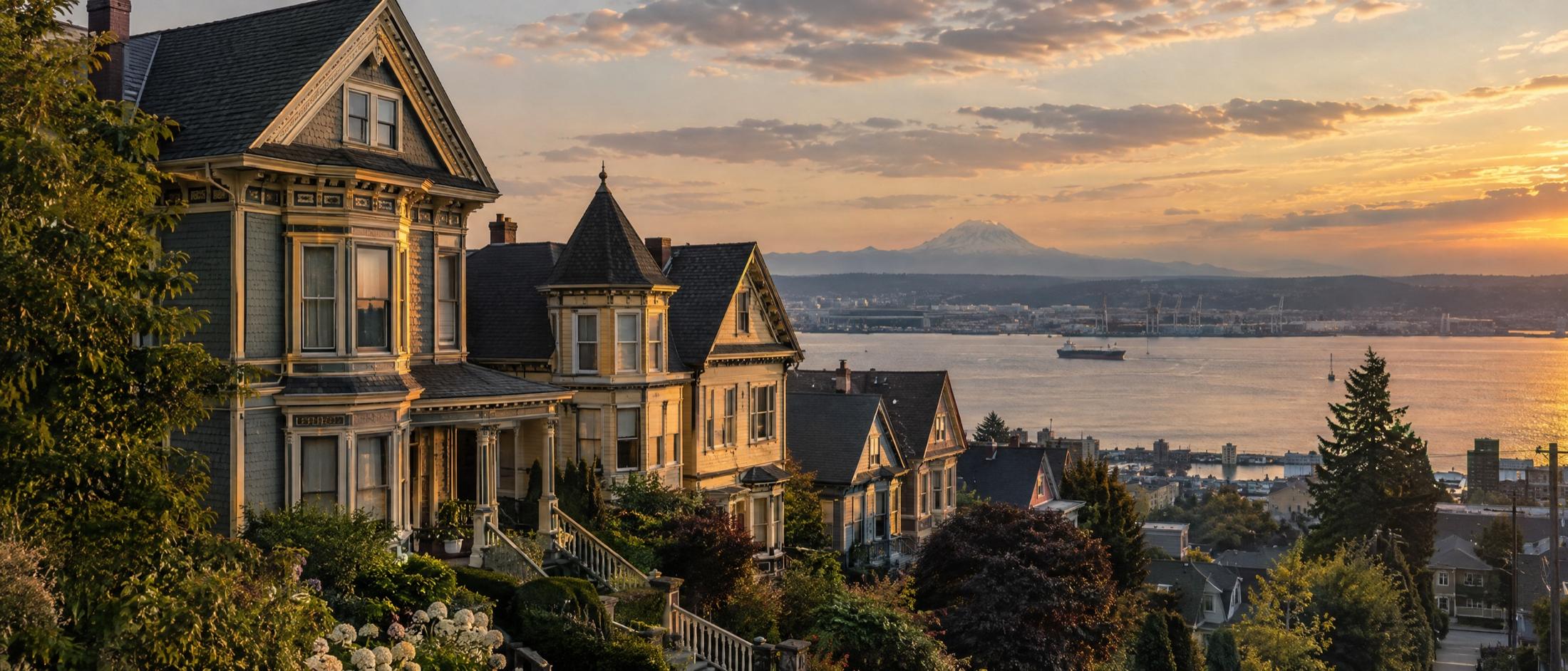
Victorian houses with a turret and steep gabled roofs on a hillside at sunset, looking out over the bay to the port and a snowcapped mountain
Hillside houses above the water, Puget Sound

North End

From the Stadium District toward Point Defiance Park

The North End covers much of the peninsula in the city’s northwest corner. Much of it sits on a grid of tree-lined streets with houses from the early twentieth century, Craftsman above all with a fair share of Tudors, and later mid-century houses filling the gaps. Proctor and the Sixth Avenue business district serve it, and Point Defiance Park anchors the far end.

Some streets on the slopes have water views. Hillside lots and big old street trees bring drainage and root questions that a buyer’s inspector will ask about. When a North End house is in good repair, it generally draws enough interest that a well-prepared listing is worth considering first.

Hilltop

Martin Luther King Jr. Way · Sound Transit T Line

Hilltop sits on the ridge above downtown. It holds some of Tacoma’s older housing, Victorian and turn-of-the-century houses among them, and a good deal of newer townhome construction. Sound Transit extended the T Line light rail up Martin Luther King Jr. Way in 2023, and the MultiCare Tacoma General campus is close by.

Condition varies widely from block to block. It is one of the parts of town where investors and small builders look closely, both for older houses to renovate and for lots with room to build. That interest can work in a seller’s favor when the house needs a lot.

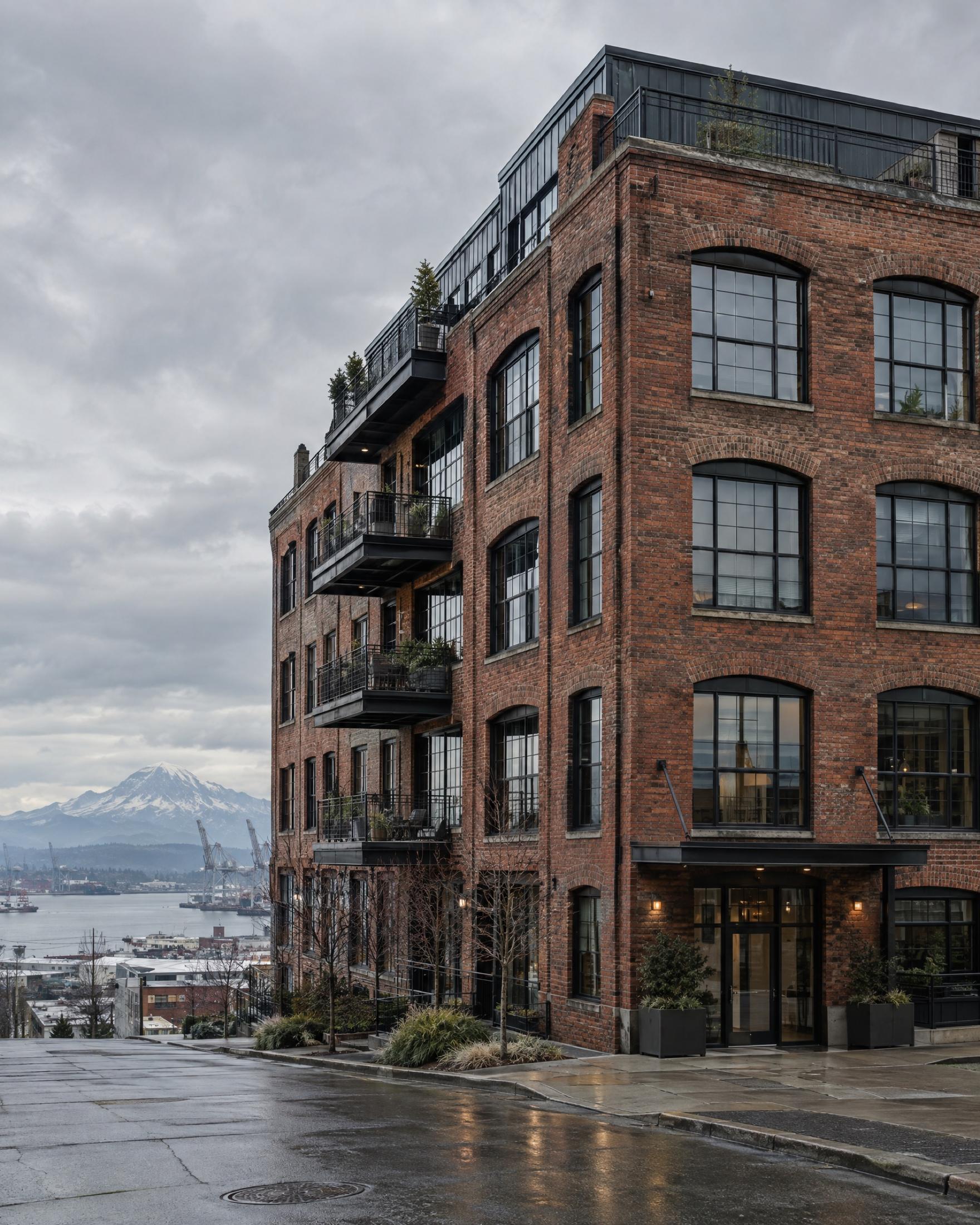
Brick warehouse converted to lofts with arched steel windows and black steel balconies on a wet street, a snowcapped mountain and port cranes in the distance
Brick warehouse lofts, Puget Sound

South Tacoma

South Tacoma Way · Sounder station

South Tacoma grew up around the Northern Pacific railroad shops, and it keeps a working-town character: flatter blocks and smaller lots, with early bungalows next to post-war ramblers. South Tacoma Way is the main commercial street, and the Sounder commuter rail stops here on its way north to Seattle.

Houses here tend to be smaller and simpler than in the North End, and they draw first-time buyers, some using FHA or VA loans. Those loans carry standards on condition, covering things like peeling paint or a roof near the end of its life. If your house has a few of those, it’s worth weighing a quick fix against a cash sale.

Old Town

North 30th Street · Ruston Way below

Old Town is where Tacoma began, the original settlement on the slope above the water where Job Carr built his cabin in the 1860s. North 30th Street has a small cluster of businesses, and St. Peter’s Episcopal, a small wooden church from the 1870s, is close by.

Old cottages sit next to newer houses built for the view, on streets steep enough to notice. The slope that gives those views also raises questions about retaining walls and drainage. Below it all runs Ruston Way, a long stretch of waterfront path and restaurants.

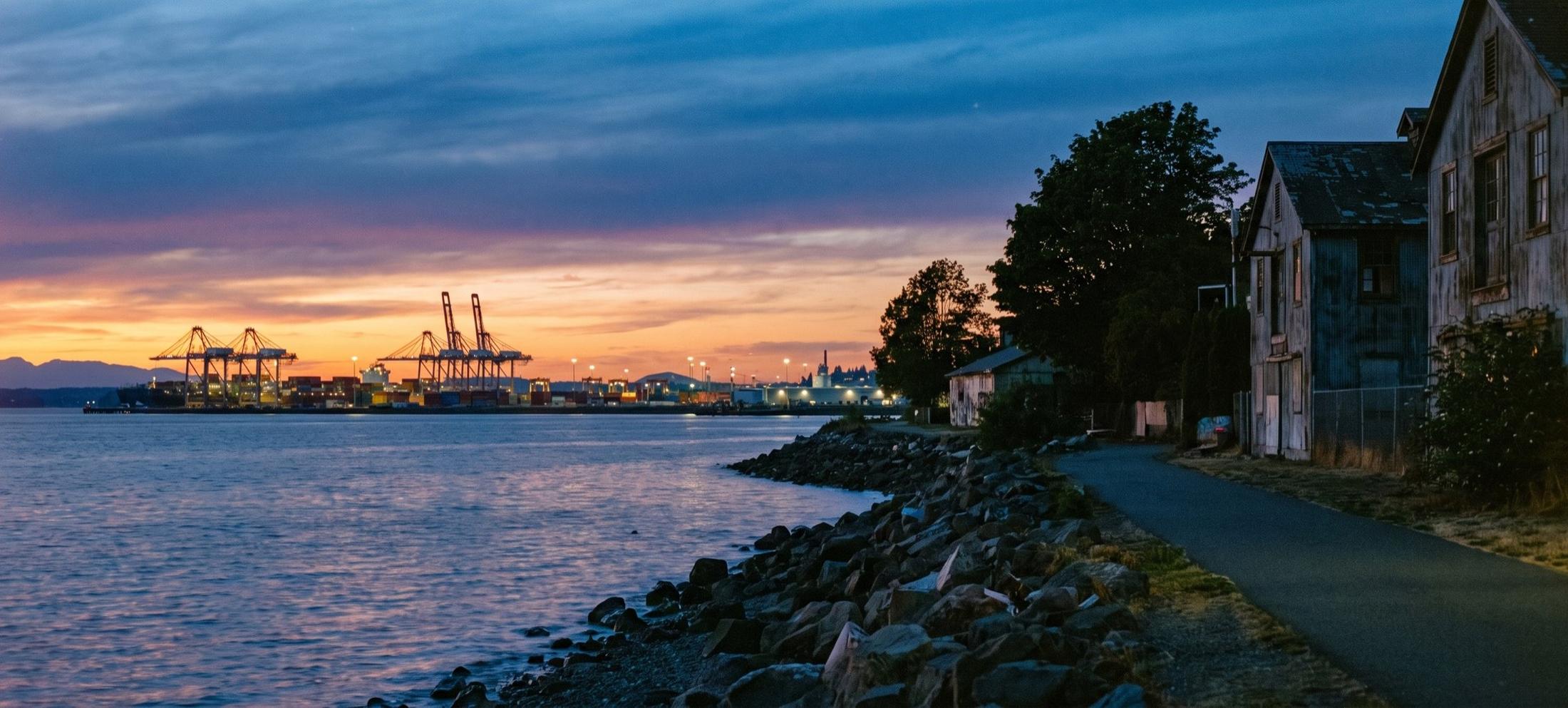
Paved waterfront path beside a rock bulkhead and weathered wooden buildings at dusk, with lit container cranes across the bay
A waterfront path, Puget Sound

Point Ruston

End of Ruston Way
Tacoma and the Town of Ruston

Point Ruston is a newer mixed-use neighborhood at the end of Ruston Way, built on the site of the old ASARCO copper smelter after a long environmental cleanup. Homes here are mostly condominiums and apartments, with shops and restaurants at street level and a waterfront promenade that leads toward Point Defiance Park. Part of the development lies in the Town of Ruston, a separate municipality.

Selling here is a different exercise from selling a century-old house. Buyers ask about the homeowners’ association, its reserves and its dues, and about the resale certificate the association provides. Have the association’s documents ready early, because a buyer’s lender and agent will ask for them.

University Place

West of Tacoma · Chambers Bay
University Place School District

University Place is its own city, incorporated in 1995, west of Tacoma along Puget Sound. Much of its housing went up in the decades after the Second World War: ramblers, split-levels, daylight basements, and larger homes on view lots toward the water. Chambers Bay, the golf course and park built on a former gravel mine, sits on its shoreline. Most of the city is in the University Place School District.

Houses of this age bring their own list: original windows, electrical panels from brands that insurers ask about, and plumbing that may be due for replacement. Knob and tube is rare in houses this young, and oil tanks are less common than in the North End, so the list of buyer questions tends to be shorter.

Is my neighborhood covered if it isn’t listed here?

Yes. The same approach works across Pierce County, from Fircrest and Lakewood to Puyallup and Sumner, where my office is.

The eight areas above get their own entries because together they cover the range of housing in and around Tacoma, from 1890s Victorians to new condominiums. If your house is anywhere in the 253, the comparison between a cash offer request and a fast listing works the same way. Send me the address and I’ll tell you what I know about your part of town, and what I’d want to find out.

Tell me which street the house is on.

Add a little about the house and your deadline. I’ll lay out how buyers there are likely to see it, and how a cash offer and a listing compare.