Selling an older Tacoma house as-is
What buyers look for in a house built a century ago, what Washington’s disclosure form asks of you, and how to decide between fixing nothing and fixing a little.
What does selling as-is mean in Washington?
It means you’re offering the house in its present condition and won’t make repairs as part of the deal. It doesn’t reduce what you must disclose. Most Washington sellers still hand the buyer a completed seller disclosure statement, and it has to reflect what you actually know.
An as-is sale mostly changes the negotiation. A buyer can still inspect the house. Depending on the contract, a buyer can still walk away over what the inspection finds, or come back and ask for a lower price. What you are saying, in writing, is that you won’t be fixing the furnace or replacing the sewer line before closing.
Buyers read the phrase in different ways. To an investor it simply means the price has to cover the repairs. To a first-time buyer with an FHA or VA loan it can be a warning, because those loans come with standards on the condition of the house, and a lender’s appraiser may require certain repairs before the loan can fund.
That is one reason as-is listings tend to draw cash buyers. The fewer repairs you intend to make, the more the pool of likely buyers tilts toward people paying cash or using renovation loans.
What buyers look at in an older Tacoma house
Five things come up again and again in houses from the early 1900s: the foundation, the wiring, a heating oil tank, the side sewer and, in anything built before 1978, lead paint.
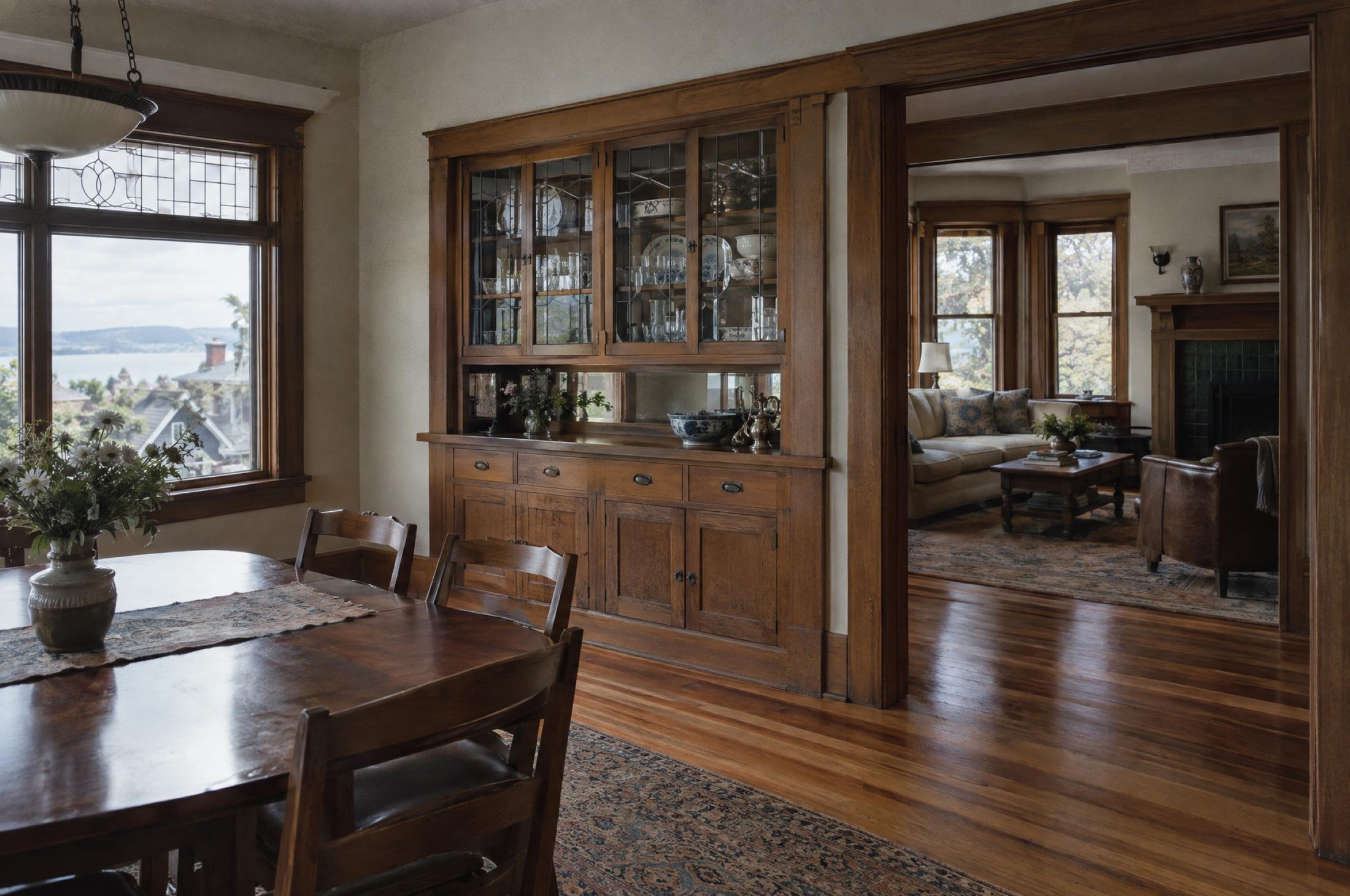
Large parts of the North End, the Stadium District and Hilltop were built between the 1880s and the 1920s. The lumber was good and the systems were simple. A hundred years of owners have layered changes on top, some permitted and some not, and a buyer’s inspector knows exactly where to look.
Foundations and drainage
Houses of this age sit on everything from brick and rubble to early poured concrete. Inspectors look for cracking, settlement, efflorescence on basement walls, rot where the framing meets the foundation, and whether the house is bolted down at all. Hillside lots in the North End and Old Town add drainage to the list: where the water from the roof and the slope actually goes. A cash buyer prices a foundation question conservatively. A buyer with a loan may need a structural engineer’s letter before the lender is comfortable.
Knob and tube wiring
Common in houses wired before about 1940. It isn’t automatically dangerous. It has no ground, though, and it was never meant to be buried in insulation. Later owners often spliced into it, too. Many insurance companies ask about it, and some won’t write a policy until an electrician has evaluated or replaced it. Buyers know that, so it shows up in their offers even when the lights work fine.
Heating oil tanks
Plenty of older Tacoma houses were heated with oil before they were converted to gas or electric, and a good number still have a tank buried in the yard or sitting in the basement. Buyers want to know if there is one, whether it’s still in use, and if it was decommissioned, how: removed or filled in place, with or without soil testing and paperwork. A tank sweep, a scan of the yard for buried metal, is a common buyer request. The disclosure form asks about fuel storage tanks directly.
Side sewers
The side sewer is the pipe that carries waste from the house to the city’s main, and in Tacoma it is generally the property owner’s to maintain. In older neighborhoods it’s often clay tile, with joints that tree roots found decades ago. A sewer scope, a camera run down the line, is a routine buyer request. Ordering one yourself before you sell means the answer arrives on your schedule, well before any negotiation starts.
Lead paint in homes built before 1978
Federal law covers most homes built before 1978. The seller must disclose any known lead-based paint or hazards, hand over any reports or records, give the buyer the EPA pamphlet on lead, and allow the buyer ten days to test unless the two sides agree to a different period or the buyer waives it. Selling as-is doesn’t change any of that. You aren’t required to test for lead. You are required to share what you know.
Roof, furnace and unpermitted work
The roof and the heating system are the two big-ticket items every buyer prices in. Basement bedrooms, converted attics and enclosed porches get a second look for permits, especially in big old houses that were split into apartments at some point and later converted back.

What is Form 17, and do I have to fill it out?
Form 17 is the seller disclosure statement most Washington home sellers complete. The requirement comes from state law, chapter 64.06 of the Revised Code of Washington, and it applies to most residential sales, as-is sales included.
It’s called Form 17 because that’s its number in the Northwest Multiple Listing Service forms that brokers across much of the state use. The questions follow the statute. Many allow “yes,” “no” or “don’t know.” “Don’t know” is a legitimate answer when it’s true, and a poor one when you could answer with a little effort.
Timing matters. After the buyer receives the completed form, the buyer generally has three business days to approve it or rescind the offer. Getting it done early and accurately keeps a buyer from walking away late in the process because of something that surfaced on page four. If you learn something new after delivering it, a leak discovered in the basement for instance, the form should be updated.
A few kinds of transfers are exempt, including foreclosures, gifts and certain transfers within a family, and sales by the personal representative of an estate or a trustee in bankruptcy. If you’re selling for an estate or a trust, ask your attorney whether the form applies to you. And if you inherited the house and never lived there, the true answer to many questions may be that you don’t know. The form lets you say so.
Filling it out carefully is also good strategy. A thorough disclosure paired with a sewer scope and the tank paperwork tells a buyer you aren’t hiding anything, which is the most persuasive thing an as-is seller can offer.
“You aren’t required to test for lead. You are required to share what you know.”
What are my options with an older house that needs work?
There are four realistic routes: list it as it stands, fix a few targeted items, inspect first so nothing surprises you, or take a cash offer and move on.
An older house and a firm deadline. Start here.
Tell me what you know about it, including the parts you’d rather not mention. I’ll help you sort out what’s worth fixing before you sell, and whether a cash sale or a listing makes more sense.