Tacoma & Pierce County, Washington For 253 homeowners who need to sell soon, or sell as it stands Austin Hellickson, Managing Broker

The as-is deskOlder houses, from Proctor to South Tacoma

Sell Now 253

206.940.0942LPT Realty, Sumner office

A century-old Tacoma house can sell as it stands.

Fir floors, a clay side sewer, maybe an oil tank under the lawn. Buyers in the North End and on the Hilltop expect all of it and price it in. What helps is knowing their number before you sign anything.

Victorian houses with a turret and steep gabled roofs on a hillside at sunset, looking out over the bay to the port and a snowcapped mountain
Victorian houses above the water, Puget Sound

A great deal of Tacoma’s older housing went up between the 1880s and the 1920s. Walk the blocks between Proctor and Wright Park and you pass foursquares and bungalows with their original fir, plaster walls, and basements that have seen a century of owners. The lumber was good. The systems were simple, and some of them are usually still there: knob and tube behind the plaster, a tank from the years the house burned oil, clay pipe running out to the street.

Selling one as it stands means offering it in its present condition, with no plan to make repairs as part of the deal. It’s a common way to sell an older house, and a sensible one when the calendar is short. A job starts in another state. A parent’s house has to be settled. A rental came back from the last tenant in rough shape.

It doesn’t change what you disclose. Washington sellers still complete Form 17, and a buyer’s inspector still starts in the basement. What changes is who is likely to buy, and how they get to a price.

Usually there are two kinds of buyer to hear from. Independent cash buyers, reached through the Homexa® network of 300+ agents across 25 states, may make an offer on the house as it is, with the repairs priced in. Buyers on the open market may pay more, with more steps between their offer and the closing. I put both figures on one page for your address. The decision stays with you.

Continued in Selling As-Is

What an older house gets asked about first

Three items that come up again and again in the North End, the Stadium District and on the Hilltop. None of them stops a sale on its own. Each one shows up in the price.

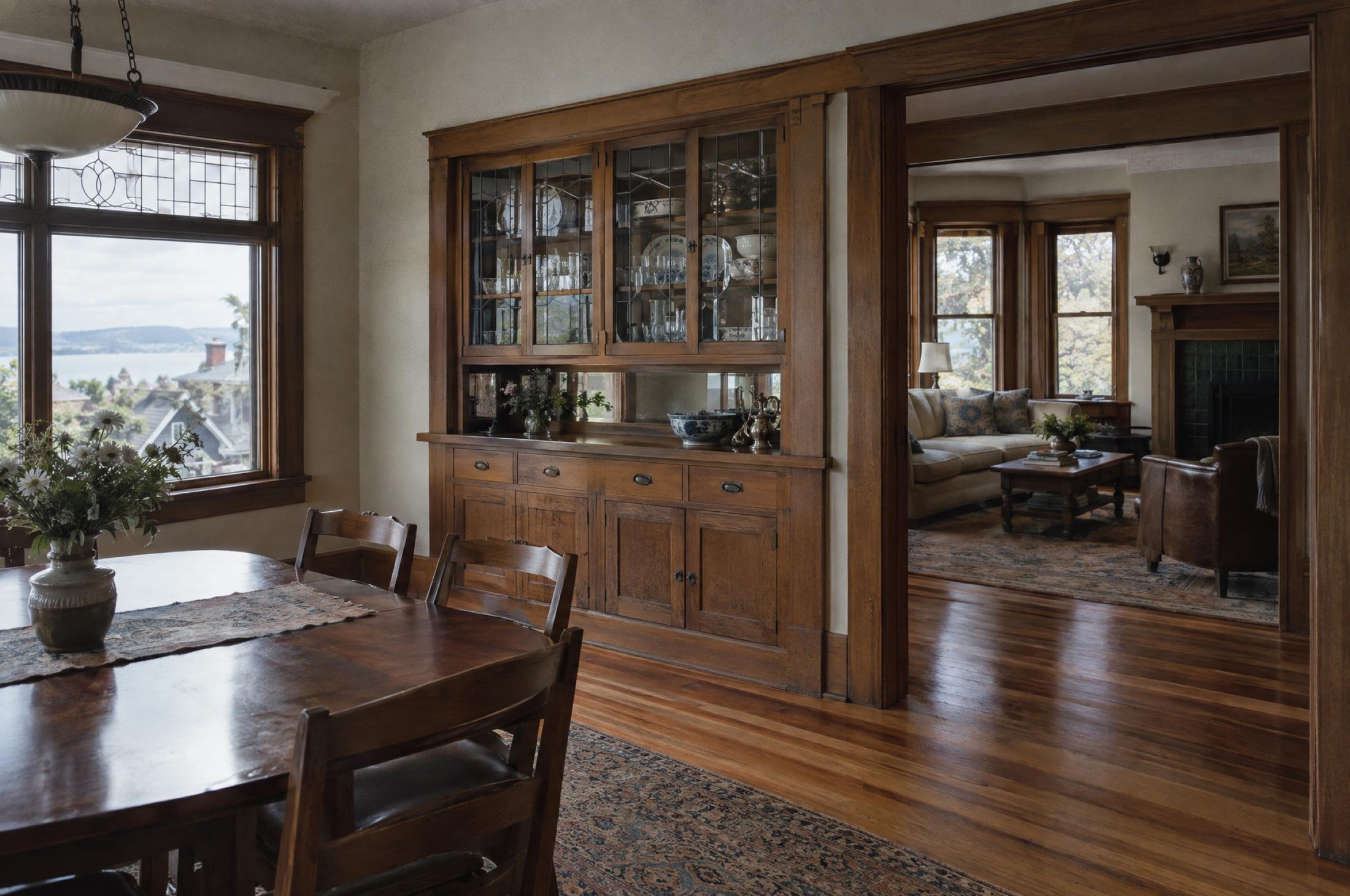
Dining room of an early 1900s house with original fir floors, a built-in glass-front china cabinet, and a wide cased opening into the living room
Original fir and a built-in china cabinet, early 1900s

Heating oil tanks

Plenty of older Tacoma houses burned oil before switching to gas or electric, and many still have a tank in the yard or the basement. Buyers ask whether one is there, whether it was decommissioned, and where the paperwork is.

Knob and tube

Common in houses wired before about 1940. It has no ground and was never meant to sit under insulation, and some insurers want an electrician’s evaluation before they’ll write a policy. It shows up in offers even when the lights work fine.

Form 17

Washington’s seller disclosure statement, required for most residential sales, as-is sales included. Answer from what you actually know. “Don’t know” is a fair answer when it’s true, and the form lets you say so.

What inspectors check, and what the form asks

Paved waterfront path beside a rock bulkhead and weathered wooden buildings at dusk, with lit container cranes across the bay
A waterfront at dusk, Puget Sound

How a cash buyer gets to a number

Most cash buyers work backward. They start from what the house might be worth once it’s fixed, then subtract the repairs, the months of taxes and interest while the work gets done, the cost of buying and selling again, and a margin for the risk. What’s left is the offer.

That arithmetic is why two buyers can walk the same Proctor bungalow and land far apart. One sees paint and a quick resale. Another sees a cracked basement wall and prices in a structural engineer and a longer hold.

Anything you can document narrows the spread: a recent sewer scope, a decommissioned tank with its paperwork, an electrician’s letter. The same papers help a listing, too.

A written cash offer is worth having even if you end up listing. It’s a real figure to hold the market against, and it shows you how someone who buys houses for a living sees yours.

How a cash offer request works

“I put both figures on one page for your address. The decision stays with you.”

Notice

To owners of older houses in the 253

Send the address of the house and one way to reach you. Austin Hellickson will be in touch to talk through a cash offer request, a quick listing, or both. Condition doesn’t matter to the form.

A phone number or an email is enough.

Or telephone 206.940.0942 Austin.Hellickson@homexa.com